Choosing between WordPress and Shopify is one of the first big decisions when you build a business website. Both are proven platforms, but they solve different problems. This guide compares them on the points that matter in practice, so you can decide quickly and avoid expensive rebuilds later.
Short answer: choose Shopify if selling products is the core of your business and you want a hosted, low-maintenance store. Choose WordPress if content, SEO, custom layouts or a company website come first, and ecommerce is one part of the site (WooCommerce can still power a full store).
What each platform actually is
WordPress is open-source software you install on your own hosting. You control everything: themes, plugins, hosting, database. It started as a blogging system and is now a general-purpose website platform. Shopify is a hosted ecommerce service: hosting, security, checkout and updates are included in the subscription, and you extend it with themes and apps.
Cost: what you really pay
- WordPress: the software is free. You pay for hosting and a domain, optionally a premium theme or template and some plugins. Costs are flexible, but you (or your agency) maintain updates and backups.
- Shopify: a monthly plan, plus a theme if you do not use a free one, plus paid apps for advanced features and payment-processing fees. Costs are predictable, and maintenance is handled for you.
Ease of use and maintenance
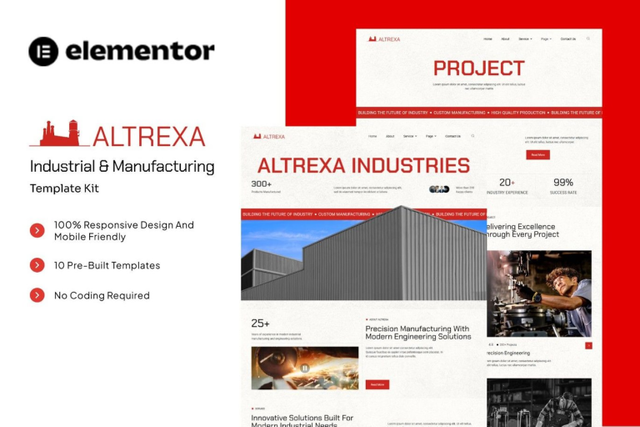
Shopify is faster to launch: add products, pick a theme, connect payments. WordPress has a steeper learning curve, but page builders such as Elementor with ready-made template kits make professional layouts achievable without writing code. WordPress needs regular updates; Shopify updates itself.
Design and templates
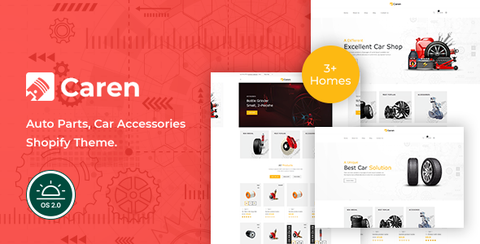
Both ecosystems have large template markets. WordPress offers themes and Elementor template kits for every industry, and almost every part of the layout can be changed. Shopify themes are tightly integrated with the store and easier to keep stable, but deeper changes usually require Liquid code. You can browse examples of both in our WordPress and Shopify template library.
SEO and content marketing
Both can rank well. WordPress gives the most control over URLs, structured data, content types and multilingual sites, which is why it is popular for content-driven businesses. Shopify handles the technical basics (sitemap, canonical tags, SSL) automatically, with some limits on URL structure. Whatever you choose, follow a clean on-page process such as our SEO checklist.
Ecommerce features
Shopify is built for selling: inventory, discounts, abandoned-cart tools, multi-currency and a hardened checkout work out of the box. WordPress with WooCommerce is highly flexible and a good fit for custom products, B2B catalogues and stores that are part of a bigger content site, but you assemble and maintain more pieces yourself.
Which one should you choose?
| Your situation | Better fit |
|---|---|
| Sell physical products, want a store live quickly | Shopify |
| Company website, services, portfolio, lead generation | WordPress |
| Heavy blogging / SEO content strategy | WordPress |
| Cross-border DTC brand with simple catalogue | Shopify |
| Custom B2B ordering or unusual product logic | WordPress + WooCommerce |
| Limited technical time, no developer | Shopify |
Can you use both?
Yes. A common setup is a WordPress site for brand and content, with Shopify handling the store on a sub-domain or through buy buttons. It adds complexity, so only do it when both sides clearly pay off.
Next step
Not sure yet? Look at real projects in our case studies built with both platforms, or browse the template library and preview demos. If you want a recommendation for your specific business, tell us what you sell and who you sell to, and we will suggest the simplest setup that works.