Search for a WordPress template and you will find three price tiers: free, cheap (low one-off licence fees on marketplaces) and premium (higher-priced themes, bundles or custom work). The right choice depends on your project, but price alone is a poor guide. This article explains what really changes between the tiers.
Free templates
Free themes from the official WordPress directory are reviewed for code quality and security basics, which makes them a safe starting point. Their limits are usually design variety, built-in features and support: advanced layouts, demo-content import and dedicated help are often reserved for paid versions.
Good for: personal sites, simple blogs, prototypes and learning.
Cheap (low-cost) templates
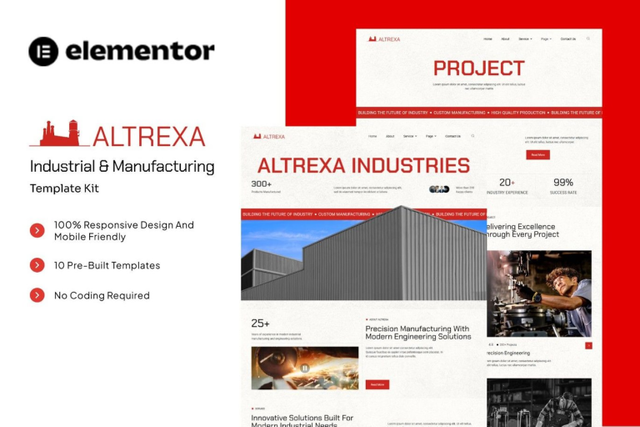
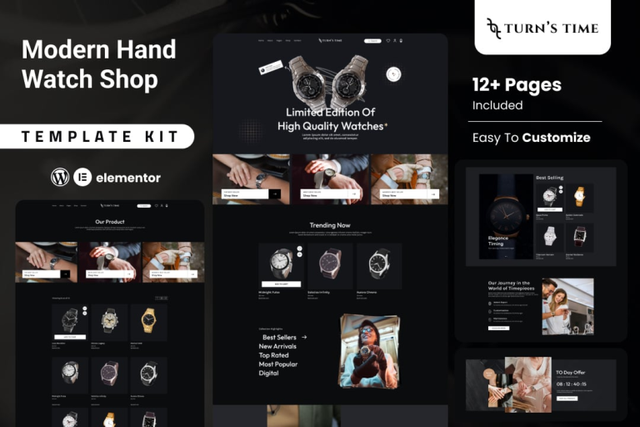
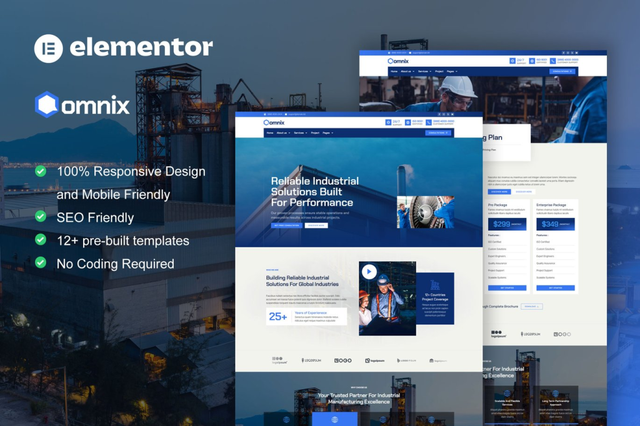
Marketplaces such as ThemeForest and Envato Elements sell thousands of professionally designed themes and Elementor template kits at a low one-off price or inside a subscription. For many small businesses this is the sweet spot: a polished, industry-specific design for a fraction of custom-design cost.
Watch out for: over-stuffed themes that load slowly, abandoned products with no updates, and licences that cover one site only. Prefer authors with recent updates, good reviews and clear documentation.
Good for: company websites, small shops, landing pages and agencies delivering many sites on a budget. Browse hand-picked examples in our template library.
Premium and custom
Premium usually means a higher-priced theme with extensive options and support, or a custom design and build. You pay for unique branding, tailored functionality, performance tuning and a person who is accountable. It is worth it when the website directly drives revenue or must integrate with other systems.
Free vs cheap vs premium at a glance
| Free | Cheap (marketplace) | Premium / custom | |
|---|---|---|---|
| Upfront cost | None | Low one-off or subscription | Highest |
| Design variety | Limited | Very large | Unique to you |
| Demo import | Rare | Common | Not needed |
| Support & updates | Community | Author-dependent | Contracted |
| Speed risk | Usually light | Check it | Optimised |
The hidden costs people forget
- Time: importing a demo, replacing content and images and fixing details takes real hours.
- Plugins: some templates need paid add-ons (page-builder pro features, forms, sliders).
- Hosting and speed: heavy templates need better hosting; read our speed guide.
- Customisation: the last 20% (branding, copy, integrations) usually costs more than the template.
Never use "nulled" themes
Pirated copies of paid themes are a common source of malware, hidden backdoors and spam links, and they get no updates. The licence cost of a legitimate template is far smaller than cleaning up a hacked site.
A 7-point checklist before you buy
- Last update within the last 6–12 months and compatible with the latest WordPress.
- Live demo that is fast on mobile (test with PageSpeed Insights).
- Clear list of required plugins and whether they are free.
- Licence terms: single site, commercial use, client work.
- Documentation and a real support channel.
- Clean, semantic layout and good accessibility (contrast, headings, keyboard use).
- Translation / RTL support if you need more than one language.
Need help choosing?
We curate WordPress and Shopify templates by industry and can set up, translate and customise them for you. See finished projects in our case studies or preview the template library.